
Another day, another sophisticated scam hitting the headlines! But this time, we're not talking about your typical phishing emails or fake tech support calls. We're dealing with something far more sinister – AI-powered deepfakes that can literally put words in someone's mouth or make them appear to say things they never said.
If you're thinking "that sounds like science fiction," think again. These scams have already cost victims millions, and they're getting so realistic that even tech-savvy business owners are falling for them. As your local IT experts here in Venice, we've been tracking this trend closely, and frankly, it's time everyone understood what we're up against.
The Million-Dollar Mistake That Shook Italy
Just earlier this year, one of Italy's wealthiest businessmen learned this lesson the hard way. Massimo Moratti, former owner of Inter Milan, received what seemed like an urgent phone call from Italy's Defense Minister Guido Crosetto. The voice was perfect – the tone, the accent, even the way the minister typically spoke during press conferences.
The "minister" explained that Italian journalists had been kidnapped in the Middle East, and urgent funds were needed to secure their release through unofficial channels. The call appeared to come from government offices in Rome, complete with official-sounding background chatter.
Moratti, wanting to help his fellow Italians, transferred nearly €1 million across two separate payments before discovering the devastating truth – he'd been talking to an AI-generated voice clone the entire time.
"It all seemed real," Moratti later admitted. "They were good. It could happen to anyone."
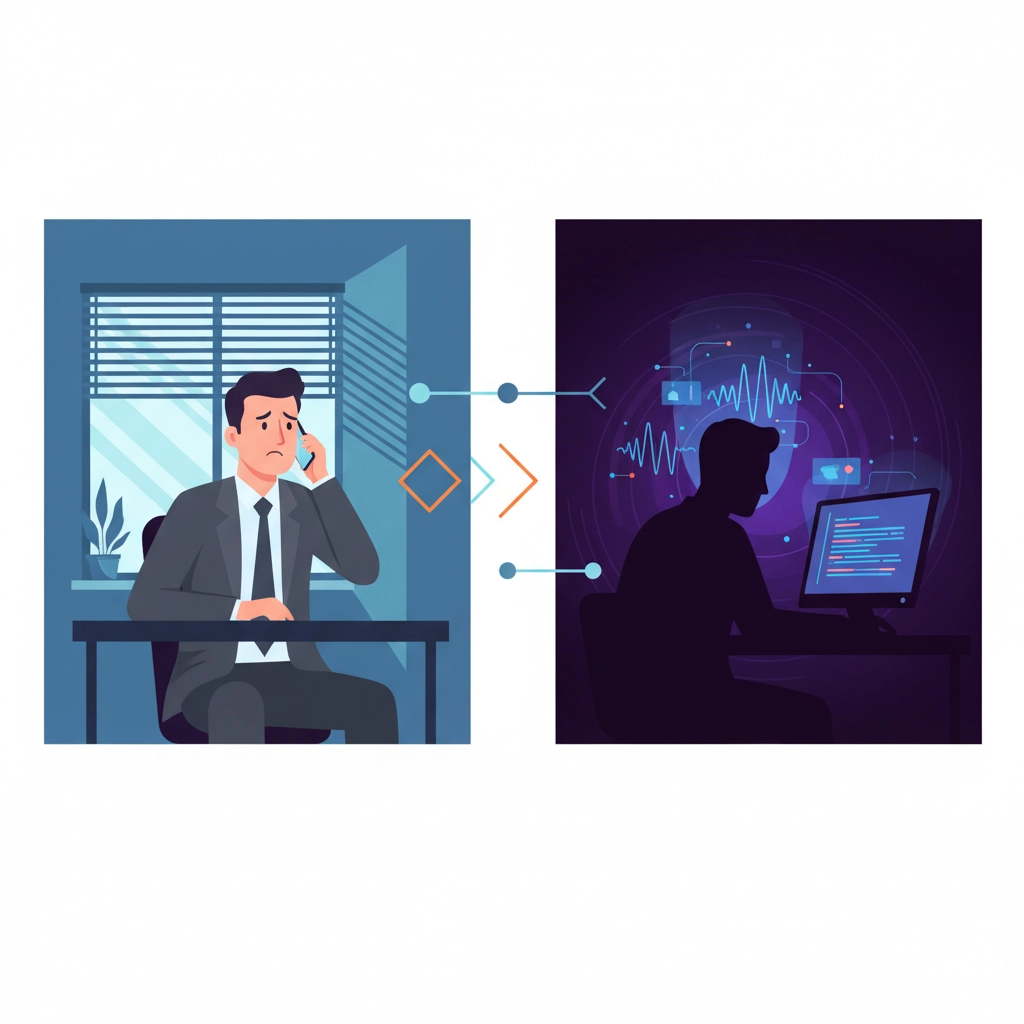
This wasn't some random scammer with a fake accent. This was a sophisticated operation using cutting-edge AI technology to clone the Defense Minister's voice so precisely that even a successful businessman with decades of experience couldn't tell the difference.
Why Your Confidence Might Be Your Biggest Weakness
Here's what might surprise you most: a 2024 study revealed that while 60% of people claimed they could identify deepfakes, only 0.1% actually could when put to the test. That means the more confident you are about spotting these fakes, the more likely you might be to get fooled.
This confidence gap is exactly what scammers are counting on. They know that tech-savvy Venice residents and business owners might think they're too smart to fall for digital trickery. But the technology has advanced so rapidly that even detection systems designed specifically for this purpose have seen their accuracy drop from 98% in 2023 to just 65% today.
The criminals are using something called "adversarial methods" – basically, they're training their AI to specifically defeat detection systems. It's like a high-tech arms race, and right now, the bad guys are winning.
The Red Flags You Need to Know
Despite how sophisticated these deepfakes have become, they're not perfect yet. Here's what you should watch and listen for:
Visual Warning Signs in Video Calls:
- Unnatural blinking patterns (too frequent, too slow, or missing entirely)
- Skin that looks unnaturally smooth or plastic-like
- Excessive shine on foreheads or glasses
- Lighting that doesn't quite match the background
- Facial expressions that seem slightly "off" or delayed
Audio Red Flags:
- Slight robotic undertones or digital artifacts
- Inconsistent background noise
- Speech patterns that don't quite match the person's usual rhythm
- Unusual pauses or breathing patterns
Scenario Red Flags (These Apply to Any Scam):
- Urgent requests for money, especially large amounts
- Pressure to act immediately without time to verify
- Requests to keep the transaction secret
- Claims that normal channels can't be used
- Requests to transfer money to foreign accounts
- Government officials asking for personal financial help
How Venice Businesses Can Protect Themselves
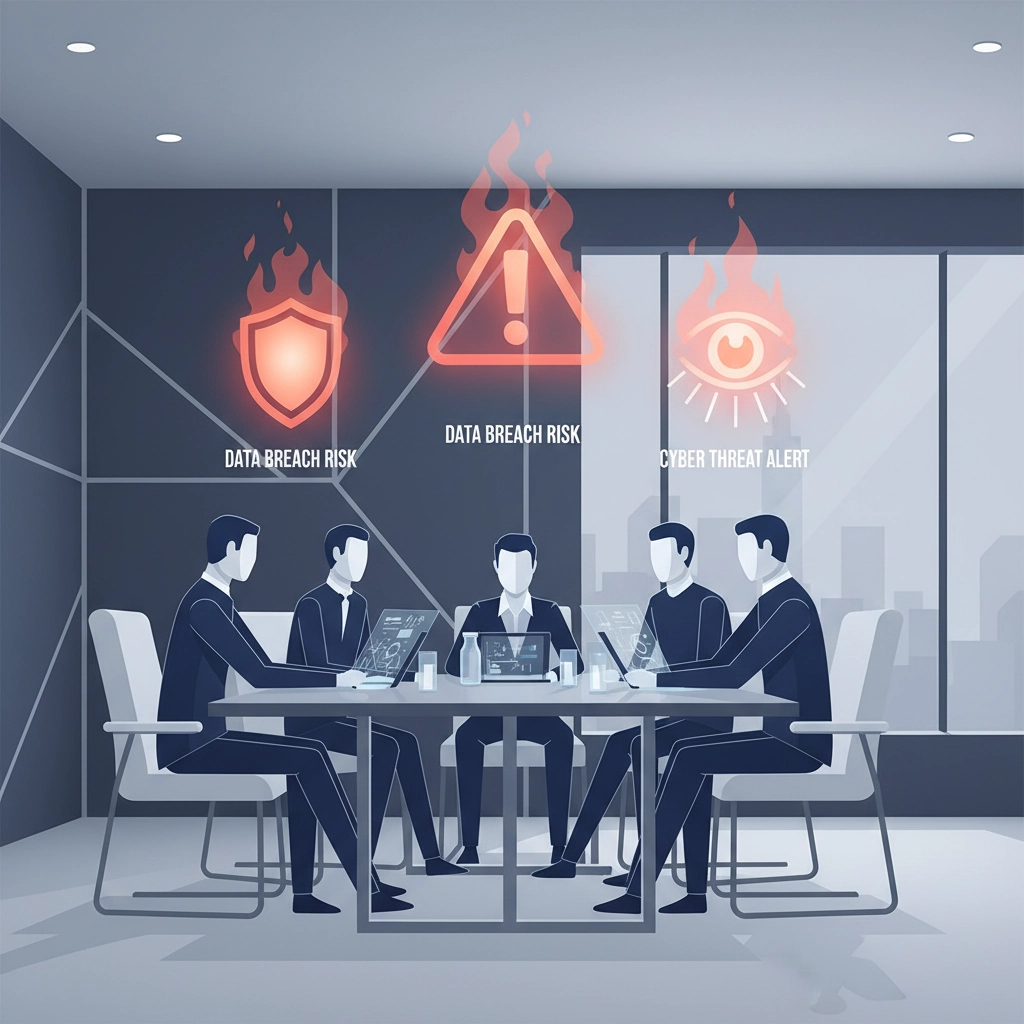
If you're running a business here in Venice, you need to treat deepfake threats just like any other cybersecurity risk. That means having policies in place before something happens.
Establish Verification Protocols:
Never act on financial requests from executives or government officials without independent verification. Create a company policy that requires at least two forms of verification for any transfer over a certain amount.
Train Your Team:
Your employees are your first line of defense. Make sure they know about these threats and feel comfortable questioning suspicious requests, even if they appear to come from authority figures.
Use Technology Wisely:
Consider implementing real-time deepfake detection tools for your business communications. While they're not 100% accurate, they can catch many attempts and alert you to potential threats.
Create a Response Plan:
Know what to do if you suspect you've encountered a deepfake scam. Have contact information for local law enforcement and your IT support team readily available.
Personal Protection Strategies for Venice Residents
For individuals and families, the key is developing healthy skepticism without becoming paranoid about every phone call or video chat.
The Golden Rule: Verify Through Independent Channels
If someone claiming to be a government official, celebrity, or even a family member makes an unusual request, contact them through a number you know is legitimate. Don't use contact information provided in the suspicious communication.
Trust Your Instincts
If something feels off, it probably is. That nagging feeling that something isn't quite right has saved more people from scams than any technology ever will.
Use Available Tools
Services like FotoForensics and InVID can help analyze images and videos for signs of manipulation. While they're not foolproof, they can catch obvious fakes.
Stay Informed
Scam techniques evolve constantly. Follow reliable cybersecurity news sources and consider subscribing to fraud alerts from your bank and local law enforcement.
The Bigger Picture: What This Means for Venice
The rise of AI scams represents a fundamental shift in how we need to think about digital security. It's not just about protecting your computer from viruses anymore – it's about protecting yourself from being manipulated by technology that can impersonate anyone.
For our Venice community, this means we all need to level up our digital literacy. The good news? You don't have to face this alone.

Why This Matters to Your Business
If you're a business owner, consider this: what would happen if someone used deepfake technology to impersonate you? What if they created a fake video of you making inappropriate comments or false promises to customers? The reputational damage could be devastating.
This isn't just about protecting yourself from being scammed – it's about protecting your business from being used as a weapon against others.
Don't Go It Alone
The technology behind these scams is complex, but protecting yourself doesn't have to be. At Computers Done Right, we've been helping Venice residents and businesses stay secure for years, and we're already adapting our services to address these new AI-powered threats.
We can help you set up proper verification systems, train your team on the latest scam techniques, and ensure your business has the right tools to detect and respond to these sophisticated attacks.
Remember, the criminals behind these scams are counting on you to handle this alone, to be too embarrassed to ask for help, or to assume you can outsmart them with confidence alone. Don't give them that advantage.
If you're concerned about AI scams or any other cybersecurity threats, give us a call. We offer free security assessments to help Venice area businesses and residents understand their vulnerabilities and create a plan to address them.
The scammers are getting more sophisticated every day – but so are we. Let's make sure you're protected before you become the next headline.
Contact Computers Done Right today for your free cybersecurity consultation. Because in the age of AI scams, the best defense is being prepared before you need it.