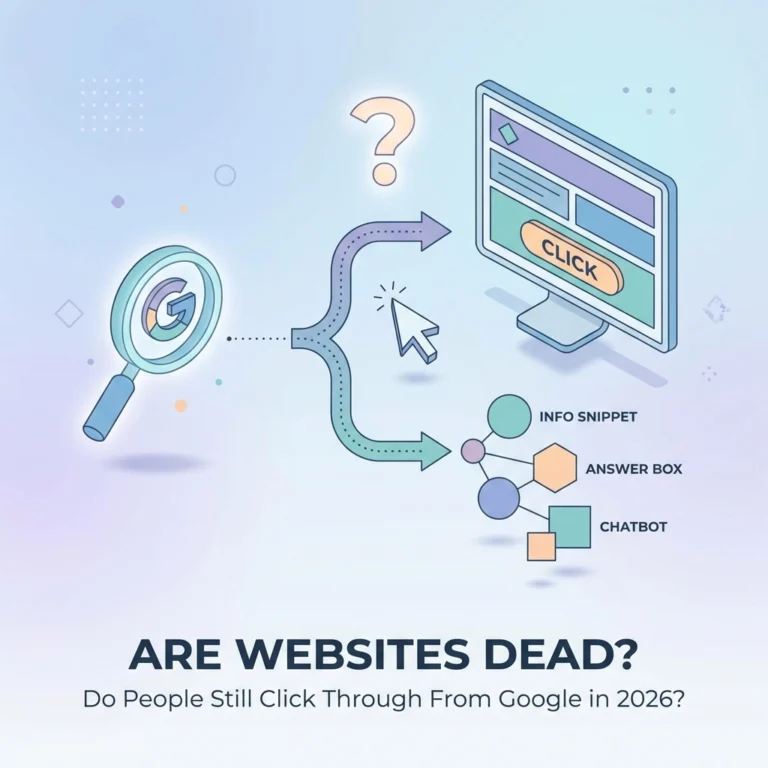

If you've been watching your website traffic tank over the past year, you're not imagining things. Small businesses across Venice and beyond are seeing dramatic drops in organic traffic: some losing 30-40% of their visitors seemingly overnight.
The culprit? Google's AI Overviews are fundamentally changing how people search and interact with search results. But that's just part of the story.
The Numbers Don't Lie
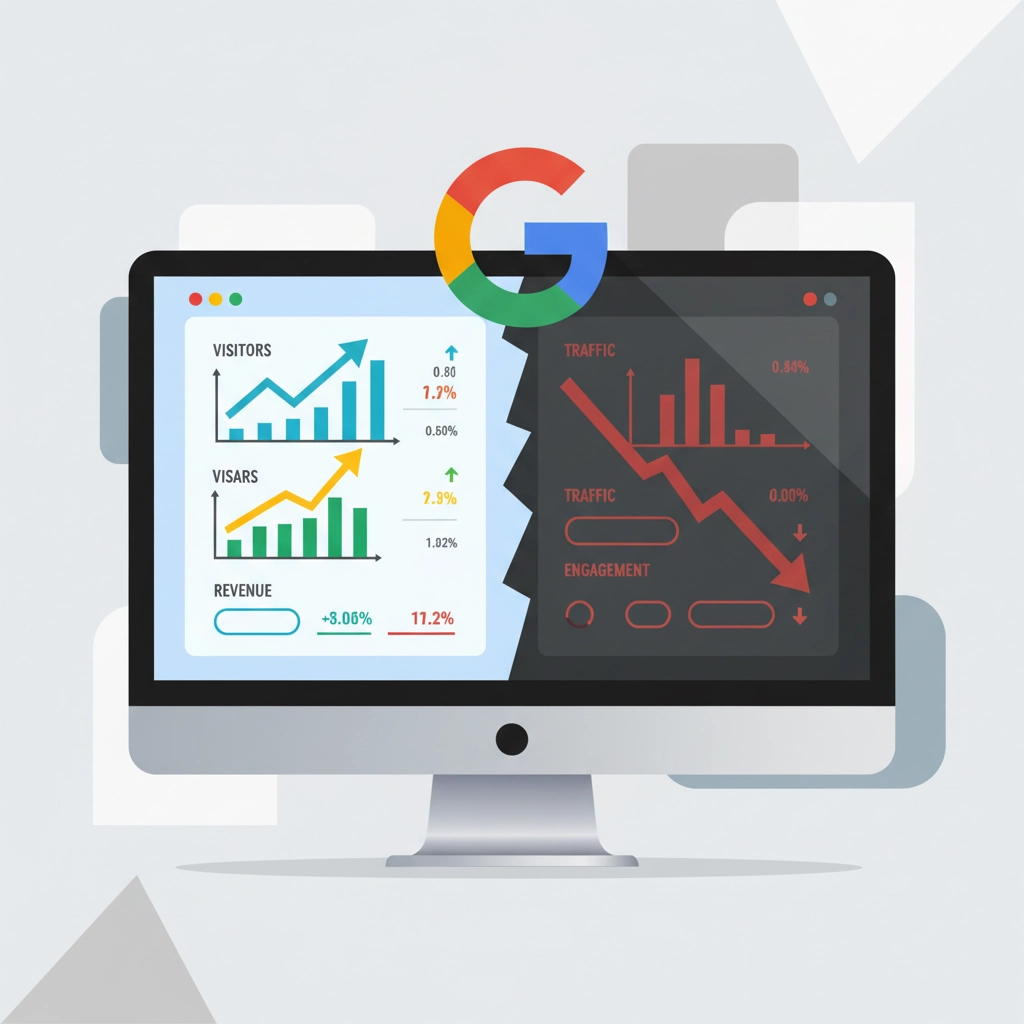
Organic click-through rates have plummeted 61% for search queries that feature Google's AI Overviews. Even for searches without these AI answers, clicks are down 41% year-over-year.
More than half of all Google searches in 2024 result in zero clicks to websites. Users get their answers directly from Google and never visit your site.
What This Means for Your Business
Every day, potential customers search for your services. They see Google's AI-generated answer about "best web design companies in Venice" or "how to improve local SEO" and never click through to your website.
Your expertly crafted content sits invisible below the fold.
Why Google's Changes Hit Small Businesses Hardest
AI Overviews Dominate Search Results
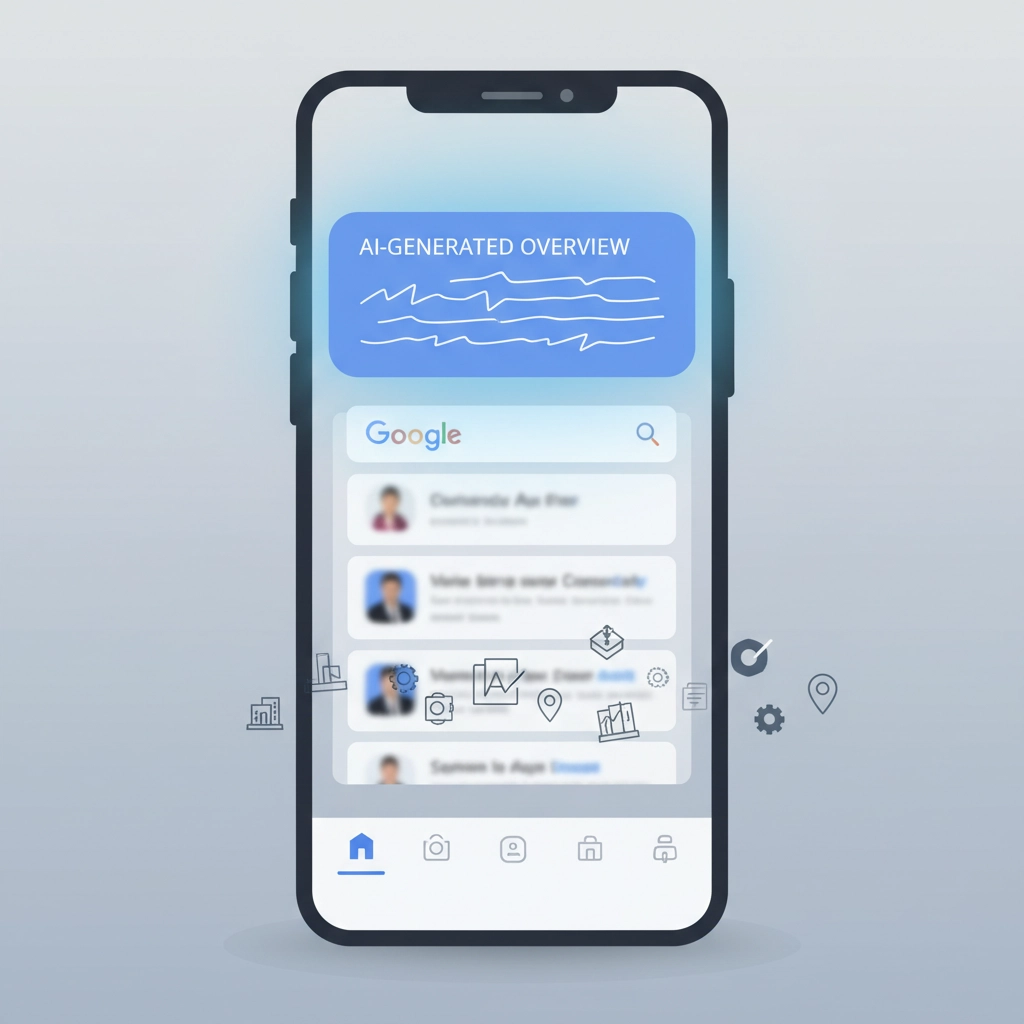
Google's AI Overviews appear at the top of search results, providing immediate answers to user questions. When someone searches "responsive web design benefits," Google's AI summary gives them everything they need without visiting your detailed guide.
The businesses mentioned in these AI summaries see 35% more organic clicks. Everyone else sees massive traffic drops.
Zero-Click Searches Are the New Normal
Google now provides direct answers for most informational searches:
- Business hours and contact information
- Product comparisons
- How-to instructions
- Local service recommendations
Users no longer need to visit websites for basic information.
Search Features Crowd Out Organic Results
Modern search results pages include:
- AI Overviews
- Featured snippets
- Local map packs
- Shopping results
- Knowledge panels
- Related questions
Organic listings get pushed further down the page where fewer people scroll.
Your SEO Strategy Is Probably Outdated
Content That Worked in 2020 Fails Today
Short, keyword-stuffed blog posts no longer rank. Google's algorithm now favors:
- Comprehensive, authoritative content
- Regular content updates
- Original research and insights
- Expert authorship signals
Legacy SEO Tactics Backfire
Many small businesses still rely on:
- Keyword density formulas
- Thin, AI-generated articles
- Outdated "SEO best practices"
- Link schemes and directory submissions
These approaches now actively hurt your rankings.
Content Decay Is Real
Content published 2-3 years ago loses competitiveness without regular updates. Google makes 300+ algorithm adjustments annually, and older content gradually slides down the rankings.
What Small Businesses Must Do Now
Shift Your Success Metrics
Stop obsessing over traffic volume. Focus on:
- Search visibility and share of voice
- Citations in AI Overviews
- Qualified lead generation
- Conversion rates from organic traffic
Optimize for AI Citations
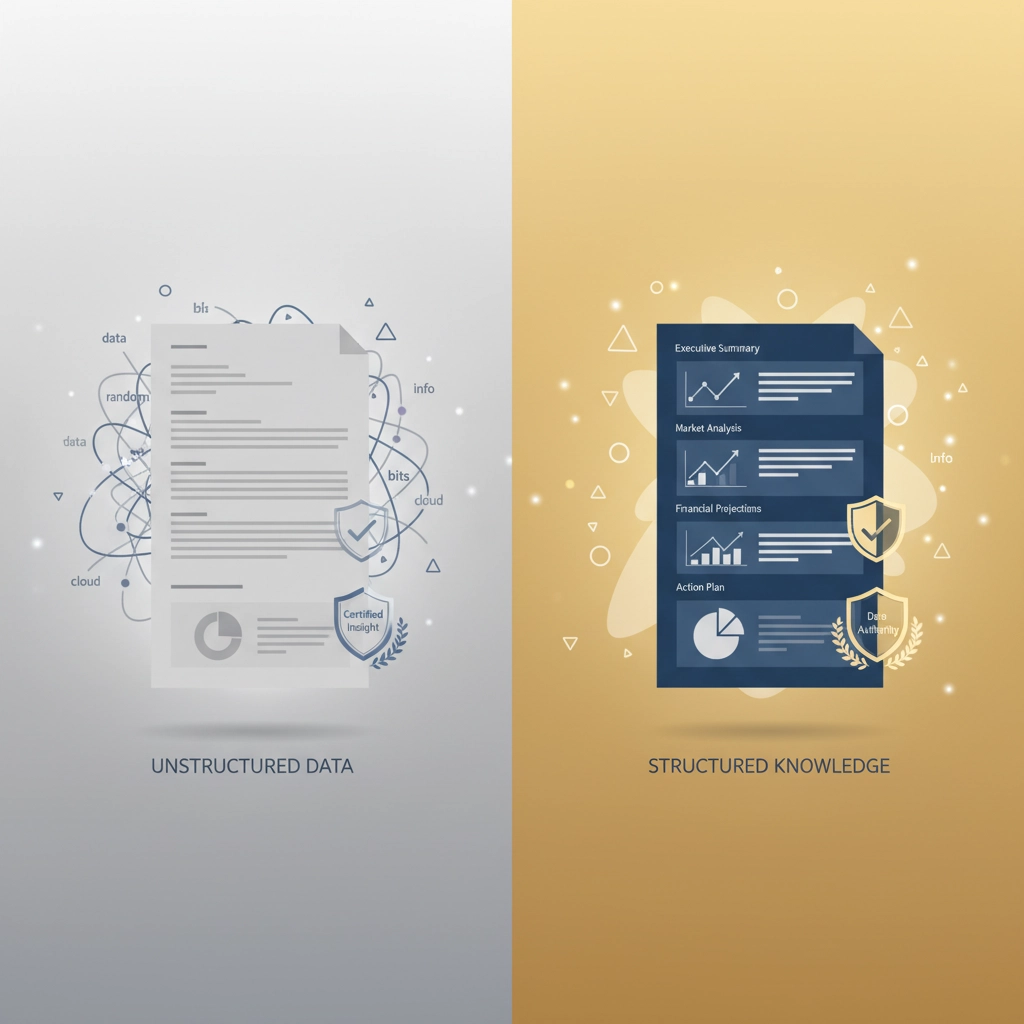
Create content that Google's AI wants to reference:
- Provide unique data and insights
- Answer questions comprehensively
- Include authoritative sources
- Structure information clearly
When your content gets cited in AI Overviews, you earn significantly more clicks than competitors.
Target Commercial-Intent Keywords
Informational content generates fewer clicks in the AI era. Prioritize keywords that indicate purchase intent:
- "Web design services Venice FL"
- "SEO company near me"
- "Digital marketing agency pricing"
These searches still drive clicks because users want to evaluate specific businesses.
Update Your Existing Content
Audit content published before 2022. Either update it comprehensively or remove it entirely. Fresh, current information signals authority to both Google and users.
Tactical Solutions That Work
Build Genuine Authority
Earn high-quality backlinks from:
- Local business associations
- Industry publications
- Partner websites
- Client testimonials and case studies
Authority signals increase your chances of AI citation and higher rankings.
Focus on Money Pages
Blog content rarely converts visitors into customers. Instead, optimize pages that generate revenue:
- Service description pages
- Location-specific landing pages
- Case study and portfolio pages
- Contact and scheduling pages
Create Comparison Content
Users still click through for detailed comparisons and evaluations. Develop content comparing:
- Different service approaches
- Technology solutions
- Local vs. national providers
- Pricing models and packages
Leverage Local SEO Advantages
Google AI Overviews struggle with local nuance. Optimize for location-specific searches:
- "Web design company Venice Florida"
- "SEO services Sarasota County"
- "Digital marketing North Port"
Local businesses still have significant advantages in geographically targeted searches.
Monitor SERP Features Before Targeting Keywords
Before investing in content for specific keywords, search for them yourself. If the results page is dominated by AI Overviews, ads, and other features, consider targeting different terms where organic listings remain prominent.
The Reality Check

Organic traffic as a standalone metric is becoming less meaningful. The businesses thriving in this new environment focus on:
- Dominating their local search visibility
- Building citation-worthy authority
- Converting fewer, more qualified visitors
- Diversifying beyond organic search
Google's changes aren't going away. AI Overviews will expand to more query types. Zero-click searches will increase.
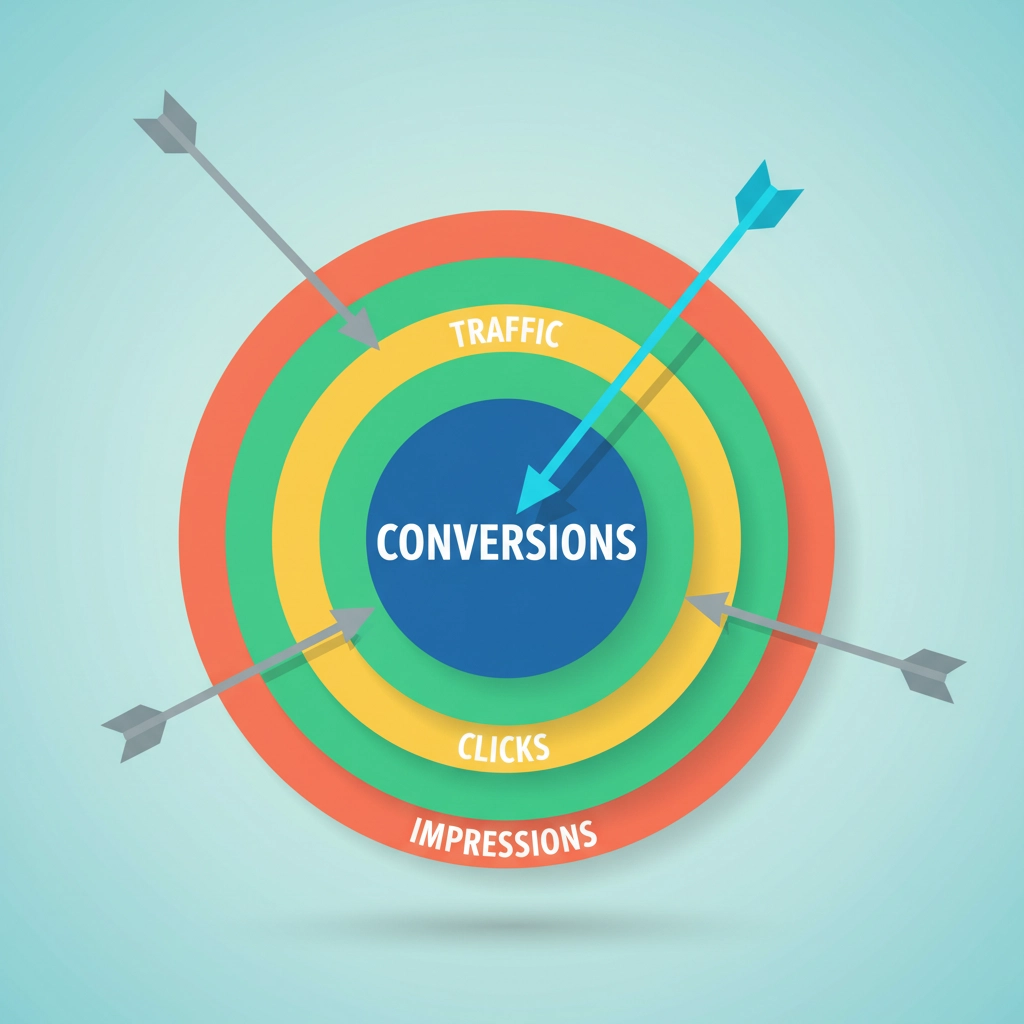
Small businesses that adapt their strategies now: prioritizing quality over quantity, authority over volume, and conversions over clicks: will maintain their competitive advantage.
The companies clinging to 2020 SEO tactics will continue watching their traffic disappear.
Your organic traffic decline isn't a temporary blip. It's the new normal. But businesses that understand this shift and adjust their approach accordingly will capture more qualified leads than ever before.
The key is focusing on what you can control: creating exceptional content, building genuine authority, and optimizing for the search behaviors that matter most to your bottom line.