
If you're still writing every social media post, crafting each email by hand, and manually creating marketing content, you're burning through hours that could be spent growing your business. The reality is that AI has moved way past the "experimental" phase: it's now handling real marketing tasks for companies across Venice and beyond.
But here's the thing: most business owners either don't know where to start with AI marketing tools, or they've tried a few basic generators that produced generic, useless content. The difference between AI that works and AI that wastes your time comes down to knowing which specific tools and workflows actually deliver results.
Here are seven AI-powered marketing hacks that are currently working for real businesses, not theoretical strategies that sound good on paper.
1. Turn One Conversation Into Dozens of Marketing Assets
The Hack: Use ChatGPT or Copy.ai to transform a single customer conversation or interview into multiple pieces of content across different channels.
Here's how it actually works: Record or transcribe one conversation with a satisfied customer about their experience. Feed this into ChatGPT with specific prompts like "Turn this into 5 social media posts for LinkedIn," "Create 3 email subject lines from this story," or "Write a case study summary for our website."
The AI doesn't just copy and paste: it adapts the tone and format for each platform. That one 20-minute conversation becomes weeks of authentic content that actually sounds like real customer experiences, because it is.
What Venice businesses are seeing: A local restaurant turned one customer review conversation into 12 different posts across Instagram, Facebook, and Google My Business, plus email newsletter content that drove 30% more reservations.
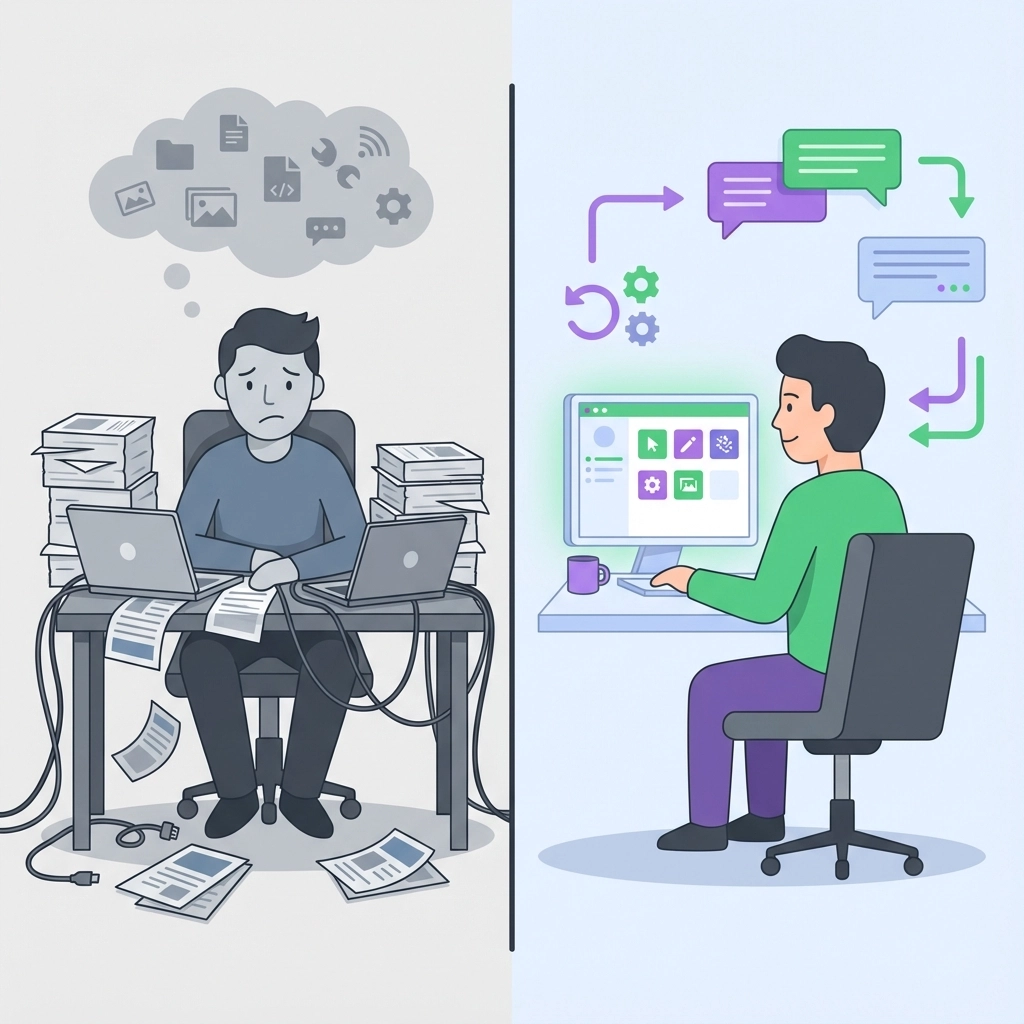
2. Automate Your Competitor Intelligence Reports
The Hack: Set up AI workflows through tools like Gumloop to automatically monitor what your competitors are doing and generate weekly intelligence reports.
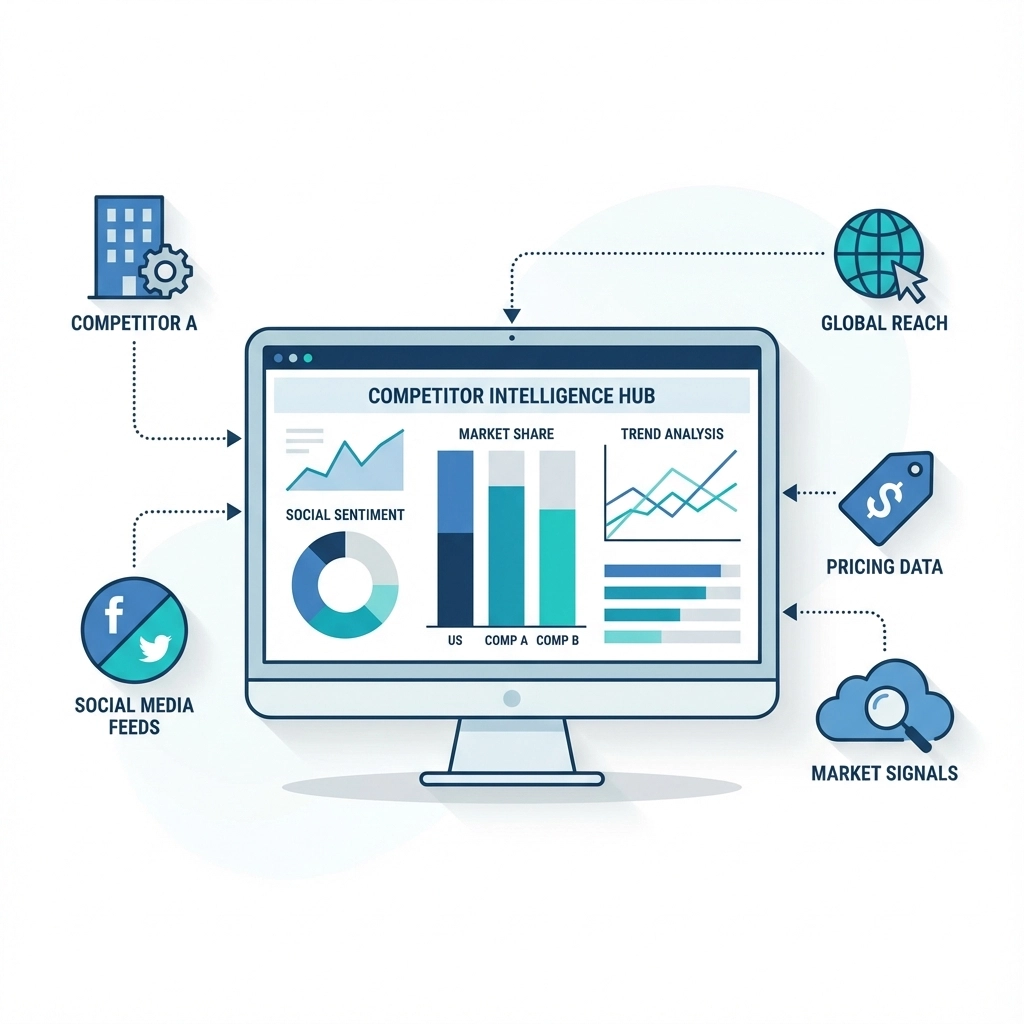
Instead of manually checking competitor websites, social media, and marketing campaigns, create an automated system that tracks their pricing changes, new content, promotional campaigns, and social media engagement. The AI compiles this into a digestible weekly report that lands in your inbox.
The setup: Connect the AI to monitor competitor websites, social accounts, and Google Ads. Set parameters for what to track (new blog posts, price changes, promotional language, engagement metrics). The system runs automatically and flags significant changes.
Real impact: A Venice-based home services company discovered their main competitor was running seasonal promotions three weeks before they typically started. This early intelligence allowed them to launch their own competing offer first, capturing market share they would have otherwise lost.
3. Generate Data-Driven Ad Copy That Actually Converts
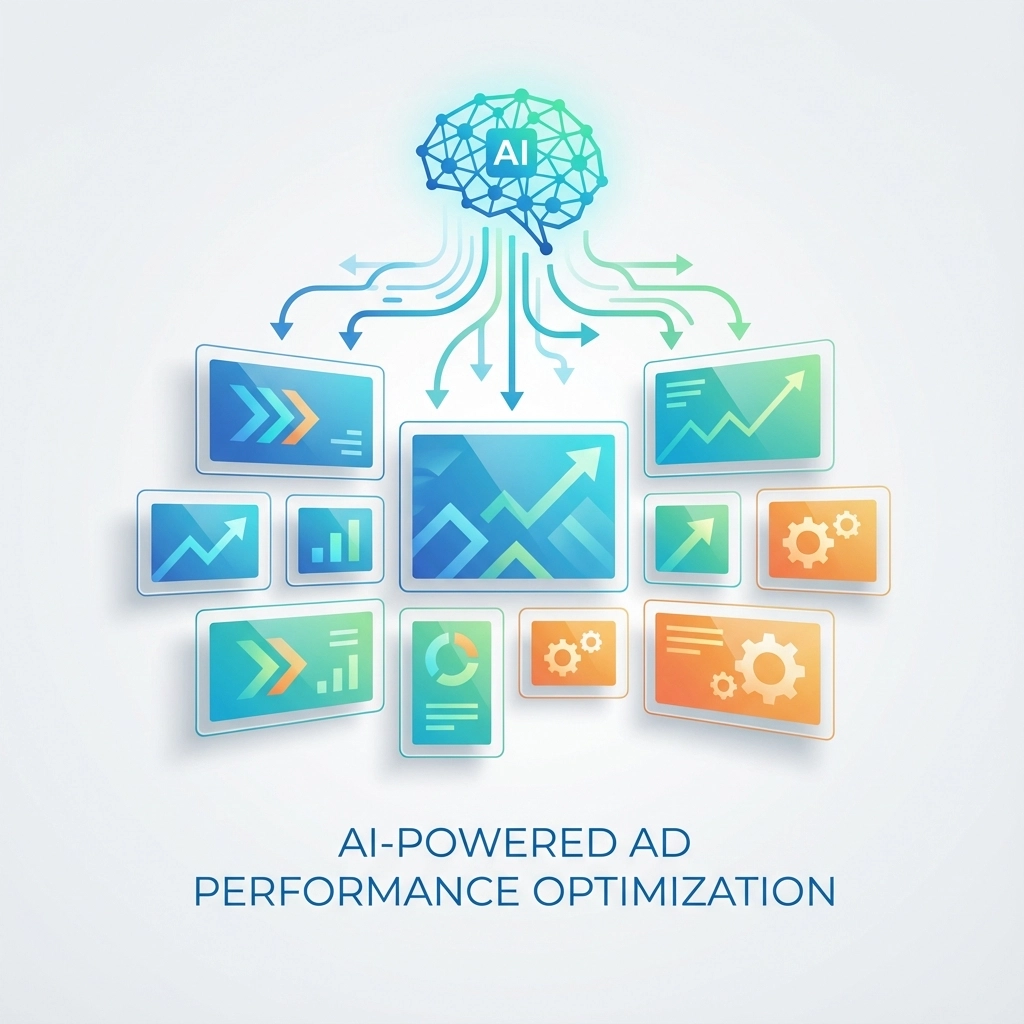
The Hack: Use platforms like Persado or Phrasee to create and test multiple ad variations simultaneously, learning what language drives conversions for your specific audience.
This isn't about generating random variations: it's about AI that analyzes emotional triggers, word choice impact, and conversion patterns to predict which copy will perform best before you spend money testing it.
The system creates dozens of headline and description combinations, predicts their performance based on data from similar businesses, then automatically runs the top performers while continuing to refine based on actual results.
The Venice advantage: Local businesses can test language that resonates specifically with Florida demographics while maintaining their local voice and personality.
4. Orchestrate AI Across Your Entire Marketing Stack
The Hack: Use Zapier as your AI orchestration platform to connect ChatGPT, Claude, or Gemini directly into your existing marketing tools.
This means when a new lead comes in through your website, AI automatically writes a personalized follow-up email based on which pages they visited. When a campaign ends, AI summarizes the performance and suggests improvements. When someone fills out a contact form, AI classifies them into the right nurture sequence.
Setup example: New website inquiry → AI analyzes their business type and pages visited → AI writes personalized email → AI schedules appropriate follow-up sequence → AI notifies you with summary and next recommended actions.
What changes: Instead of spending hours writing individual responses and managing follow-ups, you're reviewing AI-generated drafts and focusing on high-value conversations.
5. Create Video Content Without Actually Making Videos
The Hack: Tools like Crayo and Midjourney can automatically generate video content from text inputs, handling editing, transitions, and even voiceovers.
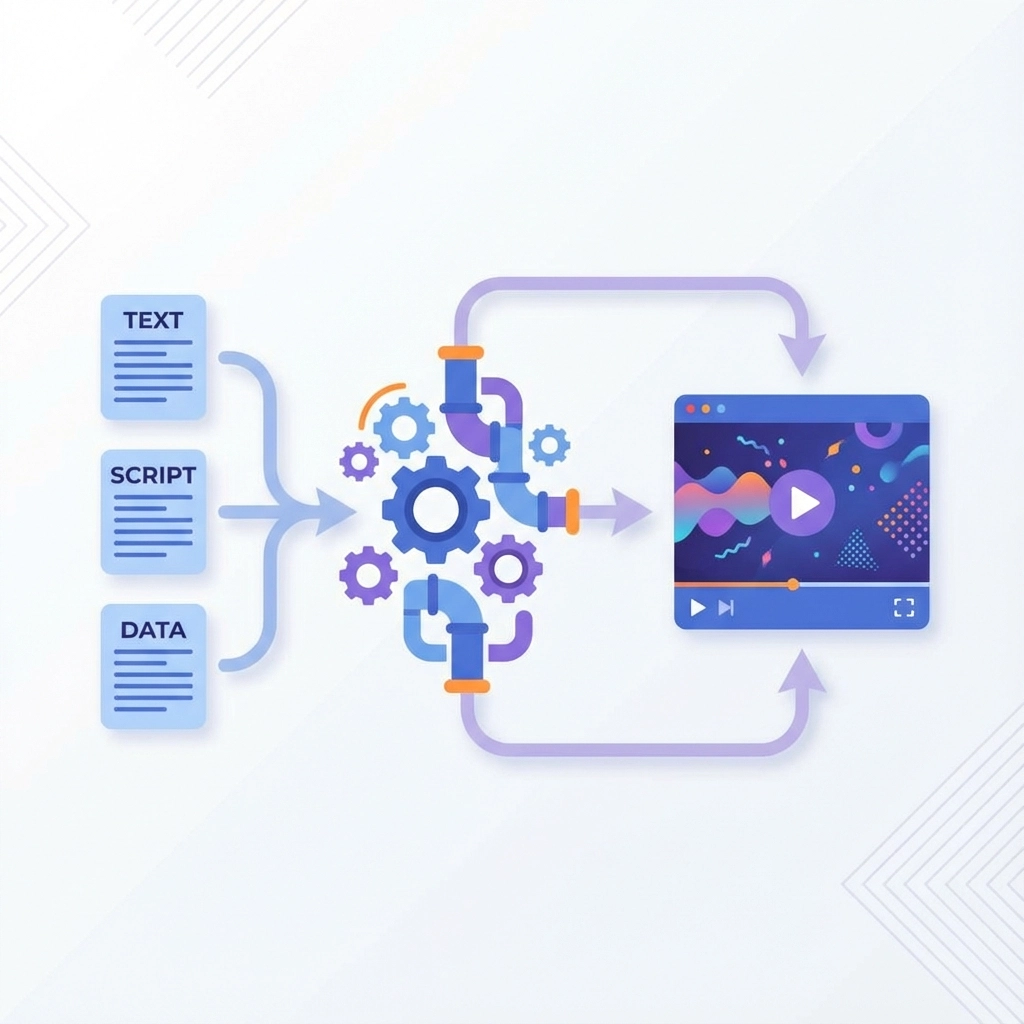
Write a basic script or bullet points about your service, and these tools create professional-looking video content complete with graphics, music, and timing. This works especially well for explainer videos, service showcases, and social media content.
For Venice businesses: Create "Day in the Life" content showing your work process, before/after showcases for service businesses, or quick tip videos for your industry: all from text descriptions.
The AI handles video editing, graphic design, and timing. You provide the strategy and approval.
6. Distribute Content Across All Channels Simultaneously
The Hack: Blaze.ai automates content creation and multi-channel distribution, so you create once and it's automatically formatted and published everywhere.
Write one piece of content or input one idea, and the system creates appropriate versions for email newsletters, social media posts, blog content, and website updates. Each version is formatted specifically for that platform's best practices and audience expectations.
The workflow: Create one core message → AI generates platform-specific versions → AI schedules optimal posting times → AI tracks performance across all channels → AI suggests improvements based on what performed best.
Time savings: What used to take 3-4 hours of reformatting and scheduling across platforms now takes 20 minutes of review and approval.
7. Deploy AI Agents That Handle Campaign Strategy
The Hack: Platforms like Sandy AI and Agentforce act as autonomous marketing team members that handle campaign design, audience segmentation, and content generation without constant supervision.
These aren't simple chatbots: they're AI agents that can analyze your business goals, research your market, identify target audiences, and create comprehensive marketing campaigns including content, timing, and distribution strategies.
How it works: You provide business objectives and parameters. The AI agent researches your industry, analyzes your current marketing performance, identifies opportunities, creates campaign strategies, generates content, and presents complete campaigns for your approval.
Real application: A Venice-based professional services firm set up an AI agent to create their quarterly marketing campaigns. The agent analyzes seasonal trends, competitor activity, and past performance to suggest campaign themes, create content calendars, and generate initial creative assets.
Making This Actually Work for Your Business
Start with one workflow. Don't try to implement all seven hacks at once. Pick the one that addresses your biggest time drain: usually either content creation or email follow-up.
Set clear parameters. AI works best when you give it specific guidelines about your brand voice, target audience, and business goals. Spend time upfront creating these parameters instead of trying to fix generic output later.
Plan for review time. These tools don't eliminate the need for human oversight: they eliminate the time spent on first drafts and repetitive tasks. You'll still need to review, approve, and sometimes refine the output.
Track what actually works. Monitor which AI-generated content performs best with your audience. Use this data to refine your AI prompts and parameters over time.
The Bottom Line
The businesses winning with AI marketing aren't using it to replace human strategy: they're using it to eliminate the manual work that prevents them from focusing on strategy. They're not getting perfect content that needs zero review; they're getting solid first drafts that save hours of creation time.
If you're spending more than 30 minutes writing a single email or social media post, or if you're avoiding marketing because content creation takes too long, these AI workflows can get you back to focusing on what you do best: running your business.
The question isn't whether AI marketing tools work. The question is whether you're ready to stop doing manually what machines can now handle automatically, so you can spend your time on the parts of marketing that actually require human judgment and creativity.
Ready to implement AI marketing automation for your Venice business? Schedule a consultation to discuss which workflows would have the biggest impact on your specific marketing challenges.